Emergency Dentist Care for Pressure, Pain, and Oral Infections
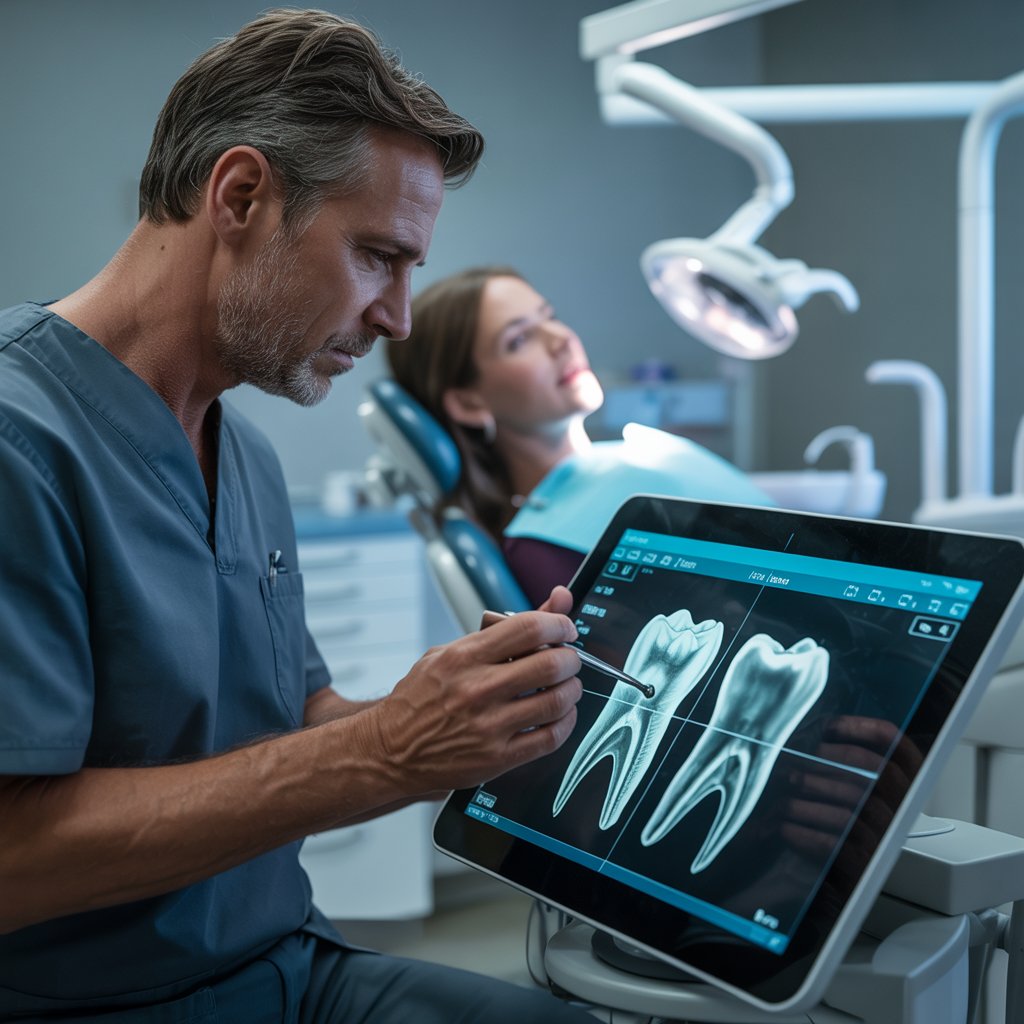
Dental pain has a way of taking over everything else. People often describe it as a pressure that will not let up, a throbbing ache that climbs into the jaw and temple, or a sharp, electric jolt that makes it hard to speak, sleep, or think clearly. Oral infections add another layer of urgency because what starts in a tooth or gum can spread into deeper tissues if it is ignored. That is where an Emergency Dentist becomes essential, not as a convenience, but as a critical point of care when symptoms move beyond routine discomfort.
Pressure, pain, and swelling in the mouth are not all the same problem. They can overlap, and they often do, but each pattern gives clues about what may be happening underneath. A patient with pressure when biting down may have an inflamed ligament around a tooth, a crack, or an abscess building at the root. A patient with constant throbbing pain that worsens at night may be dealing with an infected nerve. Someone with facial swelling, a bad taste in the mouth, and tenderness under the jaw may have an advancing infection that should be evaluated quickly.
One of the most common mistakes people make is waiting to see if severe dental pain will simply burn out on its own. Mild irritation can settle. Serious infections usually do not. Even when pain seems to decrease, that does not always mean the problem is improving. In some cases, it means the nerve inside the tooth has died while the infection continues to spread beyond it. That apparent relief can be misleading, and it often delays treatment until the swelling becomes harder to control.
What “pressure” in a tooth or jaw often means
Pressure is one of those symptoms patients struggle to describe, but dentists hear the same themes over and over. A tooth can feel “too high” when biting, the gum can feel full or tense, or the whole side of the face can seem heavy. These descriptions matter because they point toward inflammation in structures that are not visible in a mirror.
When a tooth is infected or traumatized, fluid builds within the tissues around the root. That buildup increases pressure inside a very small space. The result can be a sensation that the tooth is pushing outward, rising from the socket, or resisting normal chewing. It is not unusual for patients to say they avoid letting the top and bottom teeth meet because the contact feels unbearable.
Pressure can also come from gum infections, impacted food packed between teeth, sinus-related inflammation in the upper back teeth, or grinding that overloads the biting surfaces overnight. The challenge is that several different causes can feel similar at first. A trained exam, often supported by dental X-rays, helps separate a treatable bite issue from a deep infection or a fracture that needs urgent intervention.
An Emergency Dentist looks for details patients may not recognize as important. Does the pressure get worse when you lie down? Is it triggered by hot drinks, cold air, or chewing? Has the gum started draining fluid? Is the pressure localized to one tooth, or diffuse across a quadrant of the mouth? Those distinctions guide treatment, and they also help determine whether the situation can safely wait a day or whether it needs same-day care.
Pain patterns that should never be brushed off
Not all dental pain is an emergency, but some pain patterns deserve prompt attention because they often signal infection, nerve involvement, or structural damage. The quality of the pain matters. So does its timing.
A fleeting sensitivity to cold that stops as soon as you swallow may come from exposed dentin or a worn filling. That is worth addressing, but it is not usually an emergency. A tooth that aches for several minutes after cold, wakes you at night, or sends pain into the ear and jaw is different. Persistent pain after a temperature trigger often suggests irreversible inflammation inside the pulp, the soft tissue at the center of the tooth. At that point, home care will not reverse the problem.
Pain on biting is another warning sign, especially when it is sharp and repeatable. That pattern can come from a cracked tooth, a loose filling, a high crown, or inflammation at the root tip. Patients sometimes point to one tooth immediately. Others can only identify a general area because referred pain from molars can be deceptive. Either way, pain with chewing deserves evaluation before a minor crack becomes a split tooth that cannot be saved.
Throbbing pain that intensifies over hours or days often travels with infection. The pressure can feel like a heartbeat inside the tooth. Warmth may make it worse. So may bending over or lying flat. If swelling joins the pain, especially in the gum, cheek, or under the eye, the need for urgent dental care rises considerably.
Oral infections rarely stay politely contained
A tooth infection starts locally, but the mouth is not isolated from the rest of the body. The roots of the teeth sit close to bone, sinus spaces, muscle planes, and soft tissues that can carry infection outward. Most dental infections remain manageable when treated early, but delay changes the equation.
An abscess can begin as bacteria entering the pulp through a cavity, a crack, or trauma. Once the pulp is infected and the pressure builds, the body tries to create a path for drainage. Sometimes that drainage appears as a pimple-like swelling on the gum. Patients may notice a foul taste or intermittent discharge. That can temporarily reduce pain, but it does not remove the infection. The source remains active until the tooth is treated or removed.
Gum infections can follow a different course. Food debris trapped below the gumline, advanced periodontal disease, or inflammation around a partially erupted wisdom tooth can produce intense tenderness and swelling. These problems may not involve a cavity at all, yet they can become urgent quickly, particularly when opening the mouth becomes difficult.
The most concerning infections are those associated with rapidly increasing swelling, fever, difficulty swallowing, a change in voice, or trouble breathing. Those symptoms move beyond an ordinary toothache. They suggest deeper spread and can become medically dangerous. In that situation, an Emergency Dentist may be part of the response, but hospital-level evaluation may also be necessary, especially if the airway could be affected.
When to seek emergency dental care right away
There is a practical difference between discomfort that can wait for a routine appointment and symptoms that justify urgent, same-day assessment. Patients often hesitate because they do not want to “overreact.” In dentistry, the bigger regret is usually waiting too long.
Seek prompt care if you have any of the following:
- swelling of the gum, face, or jaw, especially if it is increasing
- severe tooth pain that lasts, throbs, or keeps you from sleeping
- pain when biting that feels sharp, sudden, or focused on one tooth
- pus, drainage, or a persistent bad taste coming from the gum area
- fever, trouble swallowing, or difficulty opening your mouth normally
That list is not exhaustive, but it captures the situations where delay often makes treatment more complicated. A small cavity rarely turns into a midnight emergency. An untreated infection, a broken tooth exposing the nerve, or a painful wisdom tooth flare-up often does.
What an Emergency Dentist typically does at the visit
Many people assume an emergency visit only provides temporary medication and a recommendation to return later. Sometimes a staged approach is necessary, but a well-run emergency appointment usually does far more than that. The goal is to diagnose the source, reduce immediate risk, control pain, and decide whether the tooth can be definitively treated right away.
The first step is a focused history and exam. A dentist will ask when the pain began, whether it is spontaneous or triggered, what makes it worse, whether there is swelling, and whether the symptoms have changed recently. This is not small talk. A tooth that hurts from cold only is often managed differently from one that hurts from heat and lingers. Likewise, a tooth that became painful after a filling may point toward bite trauma or pulpal inflammation rather than infection.
X-rays are often part of the emergency workup because they reveal decay depth, infections at the root, bone loss, fractures in some cases, and the position of wisdom teeth. Not every crack shows clearly on film, but imaging still helps narrow the field. Dentists also test the tooth and surrounding tissues by tapping, applying cold, checking the bite, and probing the gums.
Treatment depends on what the exam reveals. Sometimes the solution is as simple as adjusting a bite that has been placing excessive pressure on one tooth. In other cases, the dentist may open the tooth to relieve pressure, begin root canal treatment, drain an abscess, prescribe medication when indicated, or extract a tooth that cannot be predictably saved. If a crown or filling has fractured and left sensitive dentin or exposed pulp, a protective temporary restoration may be placed to stabilize the area.
Patients are often surprised by how much relief comes from reducing internal pressure. When an abscessed tooth is opened and drains, or when a bite is adjusted off an inflamed ligament, the change can be immediate. It is not always dramatic, but it is often enough to let someone rest, eat soft foods, and think clearly again.
The role of antibiotics, and their limits
Antibiotics are useful in the right circumstances, but they are not a cure for most dental infections by themselves. This point is easy to miss because many patients have had a tooth calm down temporarily after a course of medication. The real source, however, is usually still present.
A tooth abscess typically forms because bacteria have entered a closed system inside or around the tooth. Antibiotics can reduce bacterial load in surrounding tissues, especially when there is spreading swelling or systemic symptoms, but they do not remove dead tissue from inside the tooth. They also do not repair a crack, rebuild lost enamel, or clear food and bacteria from a periodontal pocket. Source control matters. In practical terms, that means drainage, root canal therapy, extraction, or another procedure that directly addresses the origin of the infection.
Overreliance on antibiotics can create two problems. First, symptoms may ease enough that the patient postpones definitive care. Second, inappropriate use contributes to resistance and unnecessary side effects. Experienced emergency dentists prescribe them selectively, not automatically. If the infection is localized and the source can be treated immediately, a procedure may be more important than a prescription.
What you can do before you are seen
Waiting even a few hours with severe dental pain can feel long. There are sensible steps that may reduce discomfort and help you avoid making the situation worse. These measures are not substitutes for care, but they can buy time safely.
- rinse gently with warm salt water to clear debris and soothe irritated tissues
- use a cold compress on the outside of the face if swelling is present
- keep your head elevated, especially if the pain worsens when lying down
- avoid very hot, very cold, hard, or sugary foods that trigger the tooth
- do not place aspirin directly on the gum or tooth, it can burn the tissue
If over-the-counter pain relievers are appropriate for your medical history, many patients find them helpful, but dosing should follow the product label or the advice of a clinician who knows your health background. People taking blood thinners, those with kidney disease, stomach ulcers, liver disease, pregnancy, or medication allergies need a more cautious approach.
One practical tip that patients appreciate is to stop chewing on the painful side even if the tooth only hurts occasionally. Repeated pressure can increase inflammation around a compromised tooth, and with cracked teeth, that pressure can turn a repairable problem into one that is no longer salvageable.
A few real-world scenarios that show how different “emergencies” can be
A man in his forties arrives saying he has “sinus pressure” above an upper molar. He has no dramatic cavity that he can see, but he winces when the tooth is tapped and says hot coffee causes a deep ache that lingers. An X-ray shows decay extending close to the nerve and a shadow near the root tip. What felt like facial pressure was actually a tooth infection beginning to declare itself. That visit often leads to urgent root canal treatment or extraction, depending on the tooth’s condition.
A college student comes in with pain around a lower wisdom tooth that has partially erupted. The gum flap over the tooth is swollen, and she can barely open wide enough for an exam. Food and bacteria trapped under that tissue have triggered a painful infection around the tooth. Here, irrigation, local treatment, and a plan for extraction may matter more than anything involving the neighboring teeth.
Then there is the patient who broke a premolar on popcorn or a hard seed months after a large filling was placed. At first, the pain appears only when chewing. A week later, it wakes him at 2 a.m. The crack has likely propagated into a region where the pulp and surrounding ligament are inflamed. This case may still be restorable, but every day of continued biting reduces the odds.
These examples matter because they show why generic advice does not serve dental emergencies well. Pressure, pain, and oral infections sound like one category from a distance. In the operatory, they divide into very different diagnoses that require different responses.
Why timing can affect whether a tooth is saved
Patients often ask the same question in a crisis, “Can this tooth be saved?” The honest answer depends on several factors: how far the infection has spread, whether the tooth is cracked, how much structure remains, the health of the surrounding bone and gums, and how quickly care is delivered.
A deeply decayed tooth with a healthy root structure and good bone support can often be treated successfully with root canal therapy and a crown. A similar tooth left untreated until the crown fractures below the gumline may shift from repairable to non-restorable. A localized gum infection may resolve with cleaning and targeted care. The same condition allowed to progress can lead to bone loss that permanently weakens support around the tooth.
Timing also affects comfort and cost. Early emergency care may mean a shorter procedure, less swelling, and fewer follow-up visits. Late presentation often means more extensive treatment, more missed work, and a harder recovery. This is one reason an Emergency Dentist focuses not just on stopping today’s pain, but on identifying what needs to happen next to prevent a repeat.
Children, older adults, and medically complex patients need special consideration
Dental emergencies do not present the same way in every age group. Emergency Dentist Young children may not say “pressure” or “throbbing.” They may simply stop eating on one side, wake crying at night, drool more than usual, or resist brushing a certain area. Facial swelling in a child deserves prompt attention because infections can progress quickly and cooperation for treatment may narrow as pain increases.
Older adults bring a different set of complexities. Teeth with old crowns and large fillings are more prone to fracture. Dry mouth from medication can accelerate decay rapidly. Root surfaces exposed by gum recession can become sensitive and then infected without the dramatic appearance people expect from a classic cavity. In this group, pain may also be harder to localize, especially when several teeth have extensive restorations.
Patients with diabetes, immune compromise, active cancer treatment, significant heart conditions, or a history of complex head and neck care need individualized judgment. Swelling that might be manageable in a healthy adult may carry more risk in someone whose healing is impaired. Medication interactions also matter. Good emergency dental care takes the whole health picture seriously, not just the tooth.
The emotional side of dental pain is real
There is a reason people become desperate when a tooth flares up. Sleep deprivation, constant throbbing, inability to chew, fear about cost, and bad past experiences with dentistry can all combine in a way that makes the situation feel bigger than the X-ray alone might suggest. A calm, direct emergency visit helps because uncertainty often amplifies pain.
Patients do better when they leave with a clear explanation. Which tooth is the source? Is there an infection? Is the treatment temporary or definitive? What symptoms mean the plan is not working? How soon does the next step need to happen? Vague reassurance is rarely enough when someone has been awake all night holding an ice pack to their face.
A good Emergency Dentist recognizes this and communicates with precision. The technical work matters, but so does the ability to sort urgency from noise, explain the trade-offs, and help a patient make a sound decision under stress.
Aftercare and what recovery usually looks like
Recovery depends on the treatment provided. If the issue was a bite adjustment or a temporary dressing over an exposed area, relief may come quickly, though the tooth can remain tender for a day or two. If an abscess was drained or root canal treatment was started, there may still be soreness from the procedure itself, particularly when biting. That does not necessarily mean the treatment failed. Inflamed tissues around a tooth often need a little time to settle.
Swelling should gradually improve, not expand. Pain should trend downward, even if it does not disappear instantly. If symptoms worsen, fever develops, or swallowing becomes more difficult, follow-up should not wait. These are the moments when patients should call the office again or seek urgent medical care, depending on severity.
Soft foods, careful brushing around the area, and keeping follow-up appointments make a meaningful difference. Emergency treatment often stabilizes the problem, but many teeth still need a crown, completion of root canal therapy, periodontal treatment, or extraction planning afterward. The pain may stop before the job is fully finished. That gap is where people sometimes get into trouble.
Preventing the next emergency
Most true dental emergencies give some warning before they become crises. A filling feels loose for weeks. A tooth has occasional temperature sensitivity. A wisdom tooth gum flap gets irritated every few months. A crown cracks but does not hurt yet. These are the windows where preventive treatment is far easier than urgent care.
Regular exams help, but daily habits matter too. Thorough cleaning between teeth, managing clenching or grinding, replacing aging restorations before they fracture, and addressing gum disease early all reduce the odds of a sudden emergency visit. For people who have had repeated abscesses or cracked teeth, the pattern itself is a clue that the underlying risk factors need more attention.
Pressure, pain, and oral infections are not problems to negotiate with for long. They are signals. Sometimes the signal is a small one. Sometimes it is the dental equivalent of a fire alarm. Knowing the difference, and acting before the situation escalates, is what protects both comfort and long-term oral health. When swelling rises, pain becomes relentless, or infection enters the picture, an Emergency Dentist is not just treating a bad toothache. They are stepping in at the point where timely judgment can prevent a much larger problem.
Vitality Dental
1220 Coit Rd # 106, Plano, TX 75075, United States
+1 972-645-4100
FAQ About Emergency Dentist
What counts as a dental emergency?
A knocked-out tooth, significant mouth injury, severe tooth pain, or painful swelling warrants prompt evaluation. Call your dentist and describe your symptoms so the office can advise you on how urgently you need care.
What should I do if I knock out a permanent tooth?
Call a dentist immediately. Handle the tooth by the crown, avoid touching the root, and keep it moist. If you cannot put it back into the socket easily, transport it in milk or a tooth-preservation solution. Bring it with you to the appointment.
Should I go to the emergency room for a dental emergency?
Seek emergency medical care right away if you have trouble breathing or swallowing, uncontrolled bleeding, or a serious facial injury. For an isolated tooth injury or toothache without those symptoms, call a dentist promptly for guidance.