Emergency Dentist Solutions for Loose Adult Teeth
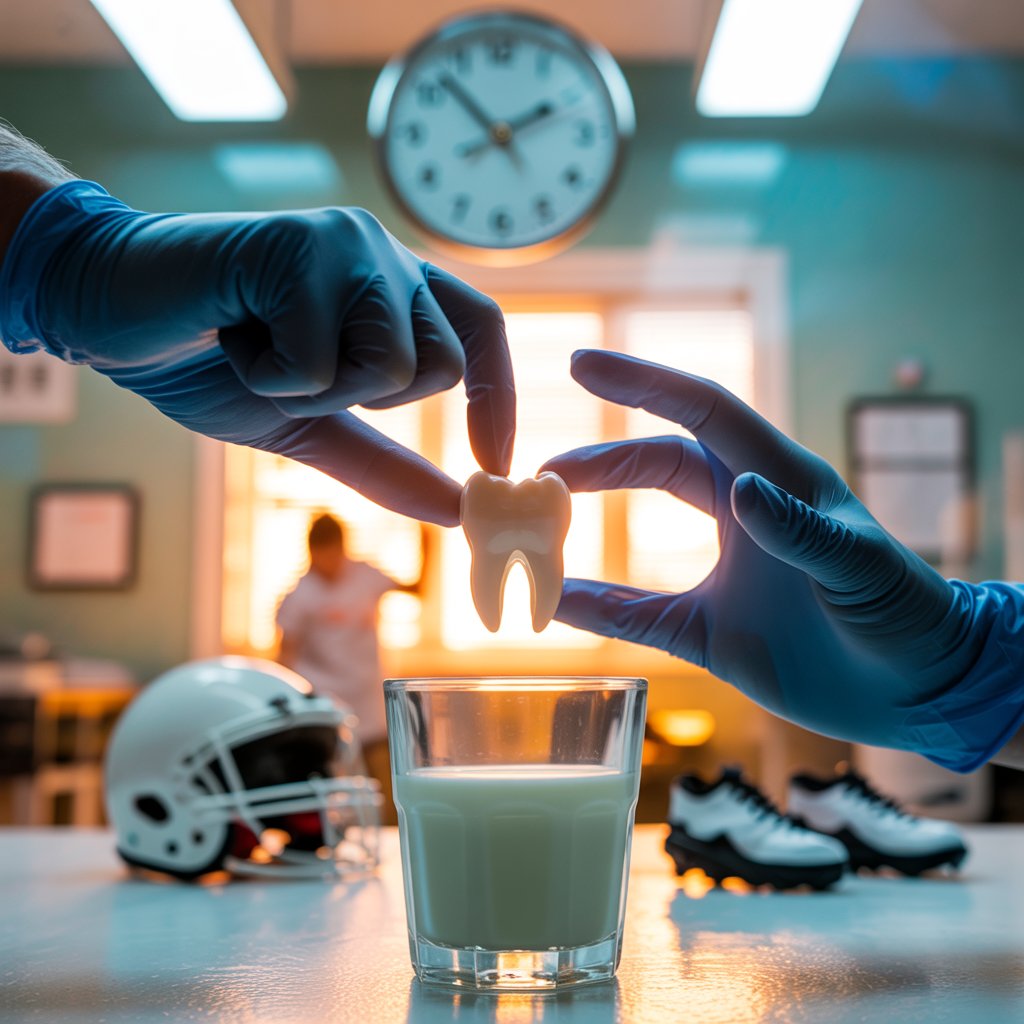
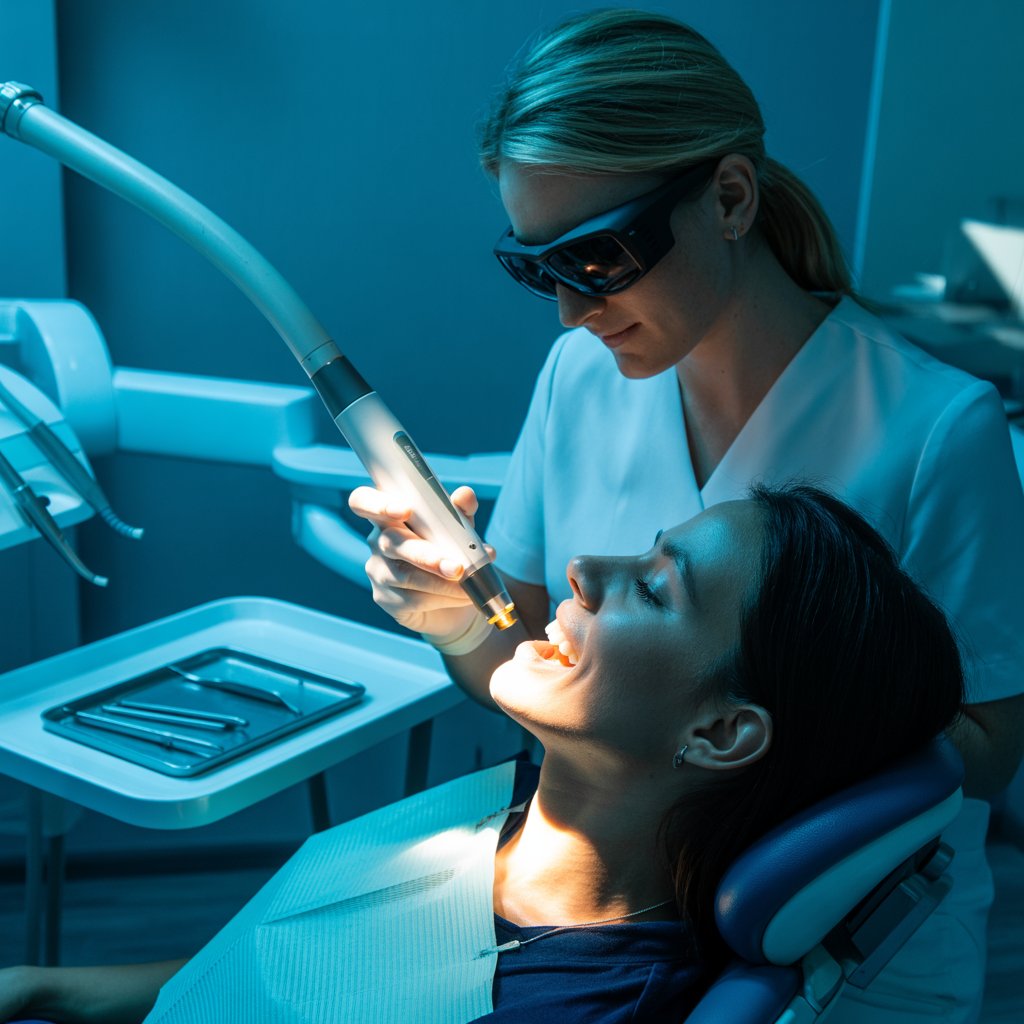
A loose adult tooth changes the mood of a day in seconds. One bite feels wrong, your tongue keeps checking it, and suddenly every sip of coffee or glass of water becomes a small test. For children, a loose tooth is expected. For adults, it is a warning sign, and often one that deserves same-day attention from an Emergency Dentist.
Not every loose tooth means the worst-case scenario. Some can be stabilized. Some can be saved with timely treatment. Others are loose because the surrounding gum and bone have been under strain for months or years, and the mobility is simply the moment when the underlying problem becomes impossible to ignore. What matters most is not guessing at home. It is understanding what causes adult teeth to loosen, what you should do in the first few hours, and how an emergency dental team typically approaches treatment.
Why a loose adult tooth is treated as urgent
Adult teeth are held in place by more than roots. They depend on a support system that includes the periodontal ligament, the surrounding bone, healthy gums, and balanced biting forces. When a tooth becomes mobile, something in that system has failed or been damaged.
In practice, urgency comes from two concerns. The first is preservation. If the looseness follows trauma, quick action can sometimes save the tooth or improve its long-term outlook. The second is diagnosis. Mobility may be the visible sign of infection, advanced gum disease, a cracked root, or significant bite-related stress. Waiting several days can allow inflammation to worsen, bacteria to spread, or the tooth to become less stable.
Patients often hope the tooth will “tighten up” on its own. That occasionally happens after mild irritation, but it is not the usual adult pattern. A tooth that was firmly anchored and is now shifting deserves professional assessment, even if pain is mild.
What usually causes an adult tooth to loosen
The cause is not always obvious from symptoms alone. Two people can both report “my front tooth feels loose,” yet one may have a sports injury and the other advanced periodontal disease.
Trauma is one of the clearest triggers. A blow to the mouth during sport, a fall on pavement, a car accident, or even biting unexpectedly on a hard olive pit can injure the supporting ligament. Sometimes the tooth looks normal but feels mobile when touched. In other cases it appears displaced, tender, or slightly longer than neighboring teeth because it has shifted in the socket.
Gum disease is another common cause, especially in adults over time. Plaque and tartar lead to inflammation in the gums, then deeper infection, then gradual loss of the bone that supports teeth. Many patients are surprised to learn how advanced this process can become before major pain appears. Bleeding when brushing, bad breath, gum recession, and spaces opening between teeth often show up before a tooth starts to move.
Teeth can also loosen under heavy biting or grinding forces. I have seen patients crack a cusp, inflame a ligament, and create mobility without any dramatic accident. Night grinding is particularly hard on molars and premolars, though front teeth can suffer too if the bite is off.
Infection at the root tip or around the gum can weaken support as well. A dental abscess, deep decay extending below the gumline, or a failed old crown can all contribute. Less commonly, systemic factors such as uncontrolled diabetes, smoking-related tissue damage, osteoporosis-related bone changes, or certain medications can Emergency Dentist reduce stability or impair healing.
Pregnancy-related hormonal changes can temporarily increase gum inflammation, but true tooth mobility in an adult still needs examination. Hormones may intensify an existing issue, they do not explain away a loose tooth.
The first few hours matter
What you do before you reach the clinic can help or hurt. People often poke the tooth repeatedly, test it with their fingers, or keep biting down to “see if it’s better.” That usually makes the surrounding ligament angrier.
If the tooth loosened after trauma or suddenly became mobile while eating, keep the area as still as possible. Eat on the other side if you must eat at all. Avoid hard, crunchy, sticky, or chewy foods. Do not try to push the tooth back into position unless you have been specifically guided by a dental professional in a clear avulsion or displacement scenario. With most adult loose teeth, home repositioning can worsen damage.
A simple first-response routine helps:
- Rinse gently with lukewarm salt water or plain water to clear blood and debris.
- Apply a cold compress to the outside of the face in short intervals if there is swelling.
- Avoid touching, wiggling, or biting on the loose tooth.
- Call an Emergency Dentist as soon as possible, especially after injury or if there is pain, swelling, or bleeding.
- Use over-the-counter pain relief only as directed and only if safe for you medically.
That list is short because overmanagement at home causes problems. A loose adult tooth rarely benefits from improvisation.
When same-day care is especially important
Some cases can wait until the next available urgent slot, but others deserve immediate attention. A useful rule is this: if the tooth became loose quickly, is painful, or the surrounding tissues look actively inflamed, you should be seen fast.
There are several red flags that change the situation from concerning to truly urgent:
- A tooth is loose after a fall, sports injury, or blow to the face
- There is pus, facial swelling, or a bad taste suggesting infection
- The tooth has moved out of position or your bite suddenly feels uneven
- Bleeding continues or the gums are torn
- You have fever, spreading swelling, or trouble swallowing
Those are the moments when delay can cost you options. An Emergency Dentist is not just there for pain control. The goal is often to preserve tissue, reduce movement, prevent infection, and decide whether splinting, imaging, deep cleaning, or extraction is necessary.
What an Emergency Dentist will look for
Urgent dental visits for a loose tooth are often more methodical than patients expect. The clinician is not only confirming that the tooth moves. They are trying to understand why, how much, and whether the damage is limited to the tooth or extends into bone and surrounding structures.
The examination usually starts with a history. When did the mobility begin? Was there trauma? Is there bleeding when brushing? Have you had recent dental work, a crown, or root canal? Do you grind your teeth? Are you taking blood thinners or medicines that affect bone or immunity? Those details matter because the same symptom can point to very different treatments.
Then comes the physical exam. The dentist checks the degree of mobility, taps the tooth to assess tenderness, inspects the gums, and evaluates your bite. They may compare neighboring teeth and look for signs of fracture, gum pockets, recession, pus drainage, or displacement. X-rays are often essential. In trauma cases, several angles may be needed because root fractures are not always obvious on a single image.
In some situations, the dentist also tests pulpal vitality. That does not always give a perfect answer on day one, especially after injury, but it helps establish a baseline. A traumatized tooth may initially test inconclusively and still recover, which is why follow-up matters.
Treatments depend on the cause, not just the movement
One of the biggest misconceptions is that a loose tooth has a single standard fix. It does not. The best treatment is the one that addresses the support problem behind the mobility.
If trauma is the issue, the tooth may need repositioning and splinting. A splint in dentistry is often a small stabilizing attachment that connects the injured tooth to neighboring teeth for a short period, commonly a couple of weeks, sometimes longer depending on the injury. The purpose is not to fuse the teeth together forever. It is to give the ligament and surrounding tissues a chance to heal in a more stable environment.
If gum disease is the cause, treatment usually centers on infection control and support preservation. That might mean deep cleaning below the gumline, sometimes called scaling and root planing, combined with improved home care and close periodontal follow-up. If a great deal of bone has already been lost, the tooth may remain mobile even after the infection is treated. In those cases, the conversation becomes more nuanced. The dentist may discuss whether the tooth can function comfortably with stabilization and maintenance, or whether removal and replacement will give a better long-term result.
When biting forces are the main culprit, the solution may be surprisingly conservative. Adjusting the bite, smoothing a high filling, treating a cracked area, or fabricating a night guard can reduce stress enough for the ligament to settle. Some of the most dramatic tenderness and slight mobility I have seen came from a single crown that was hitting too hard. Once corrected, the patient improved within days.
If the tooth is loosened by an abscess or deep decay, treatment may involve draining infection, prescribing medication when indicated, and deciding between root canal treatment, periodontal therapy, or extraction. Here judgment matters. A tooth may be technically treatable but have a poor prognosis if decay extends too far below the gum or if a vertical root fracture is present. Good emergency care includes honesty about what can truly be saved.
The role of splinting, and its limits
Patients often ask for the tooth to be “glued in place.” Sometimes that is appropriate, sometimes it is not. Splinting is a useful tool, but only when it fits the diagnosis.
A trauma-related loose tooth with otherwise healthy support can respond very well to short-term stabilization. A periodontally loose tooth, by contrast, may not improve simply because it is connected to neighboring teeth. If severe bone loss is the main issue, splinting can sometimes improve comfort, but it does not rebuild the missing support. The underlying disease still requires treatment, and the prognosis may remain guarded.
There is also a balance to strike. Teeth should not be immobilized unnecessarily for too long, because a little physiological movement is part of normal healing. Emergency dentists who manage dental trauma tend to use flexible stabilization where appropriate rather than overly rigid fixation. That detail is easy to miss, but it affects outcomes.
Can a loose adult tooth tighten up again?
Sometimes yes, but the answer depends entirely on the reason it became loose.
A mildly traumatized tooth can become firmer over time if the periodontal ligament heals well. A tooth that was tender because of bite trauma can settle once the force is corrected. Inflammation-related mobility from early gum disease can improve when swelling is reduced and plaque control improves.
What usually does not “reverse” on its own is advanced support loss from severe periodontal disease. Once bone has been destroyed, modern dentistry can manage, maintain, and in selected cases regenerate some defects, but there are limits. Patients deserve plain language here. Reduction in wobble is possible. Return to the original pre-disease support level often is not.
That is why timing matters. A tooth that is slightly mobile today may be maintainable for years with prompt treatment. The same tooth, ignored until infection deepens or biting trauma continues, may become unsalvageable.
Pain does not always reflect seriousness
One clinical pattern surprises people over and over. Teeth in major trouble are not always very painful. A front tooth loosened in trauma may feel more strange than painful. A tooth affected by long-standing periodontal disease may move noticeably with almost no ache. Conversely, a tooth with inflamed ligament from bite trauma can be quite sore and yet highly treatable.
Relying on pain as the only measure is risky. If your adult tooth is mobile enough that you notice it during speaking, eating, or brushing, that is enough reason to get professional advice.
What not to do at home
Home remedies spread quickly online, and many are not merely useless, they are harmful. Clove oil, tea bags, rinses, and temporary cements all have their place in symptom management for certain problems, but they do not stabilize a loose adult tooth.
Do not tie the tooth to another tooth with string, fishing line, or any household material. Do not use superglue. Do not clamp down repeatedly trying to “seat” the tooth. Do not ignore signs of infection because a swelling drained and the pressure eased. Temporary relief often masks a worsening process.
I once heard a patient describe spending a weekend “protecting” a loose tooth by chewing gum over it so food would not touch it. By Monday the gum had irritated the area, food was trapped around the margins, and the tooth was more mobile than before. Improvised fixes usually increase inflammation.
If the tooth cannot be saved
Emergency dentists aim to preserve natural teeth whenever the prognosis is reasonable. Still, there are situations where extraction is the soundest decision. A vertical root fracture, catastrophic support loss, severe uncontrolled infection, or a tooth split below the gumline may leave little room for rescue.
That conversation is never easy, especially if the tooth is visible when you smile. What helps is a clear plan for what comes next. Depending on the location and circumstances, replacement may involve a temporary partial, a bonded provisional tooth, a bridge, or a dental implant after healing. In front teeth, appearance can often be managed surprisingly well even when extraction is unavoidable.
The key is not to frame extraction as failure. Sometimes it is the step that stops pain, protects neighboring structures, and creates a healthier long-term outcome.
Recovery after emergency treatment
Healing varies. A tooth that has been splinted after trauma may remain tender for days or even a couple of weeks. A tooth treated for gum infection may feel less pressure quickly, but full tissue recovery takes longer. Bite adjustments often bring fast relief, though the ligament may still need time to calm down.
Soft foods help during the early period. Think eggs, yogurt, pasta, soups that are warm rather than hot, fish, cooked vegetables, and smoothies sipped carefully. Crunchy bread crusts, nuts, hard fruit, steak, sticky candy, and chewing ice are poor choices while the tooth is vulnerable.
Follow-up is not optional. This matters especially after trauma. A tooth can appear stable in the first visit and later develop pulp necrosis, discoloration, or root resorption. Dentists schedule review appointments for a reason. Missing them can mean missing the window to treat a complication early.
Prevention is less glamorous than rescue, but it works
Most adult loose teeth are not random events. They are often the endpoint of stress, inflammation, or an accident that might have been softened by preparation.
A sports mouthguard is far better protection than hoping not to get hit. For grinders, a well-made night guard can spare teeth years of overload. Routine dental exams catch gum disease and bite issues before teeth start moving. Daily plaque control is not exciting, but it remains one of the strongest defenses against periodontal breakdown.
Smoking deserves special mention. It masks early gum bleeding while accelerating tissue destruction, which creates a dangerous false sense that things are “fine.” Some of the loosest teeth I have seen belonged Emergency Dentist to people who had very little warning discomfort because tobacco had altered the inflammatory pattern.
How to judge whether you need an Emergency Dentist or a regular appointment
If the tooth became loose suddenly, follows an injury, or comes with swelling, pain, bleeding, or bite changes, seek urgent care. That is Emergency Dentist territory. If the movement has been gradual and there is no pain, you may still need prompt evaluation, just not necessarily after-hours care. The line is not perfect, and if you are unsure, call and describe the symptoms. A good dental team will triage appropriately.
What you should not do is wait several weeks because life is busy. Loose adult teeth rarely improve because they were given more time. They improve because the cause was identified and treated.
The bottom line for patients who notice movement
A loose adult tooth is a symptom, not a diagnosis. It might reflect a recoverable injury, a manageable infection, a bite problem, or advanced gum disease that needs decisive intervention. The sooner the tooth is assessed, the more options you usually have.
If there is one practical lesson worth keeping, it is this: protect the tooth from further stress, avoid home fixes, and contact an Emergency Dentist promptly. Teeth do not ask for attention politely for very long. When one starts to move, it is telling you something important.
Vitality Dental
1220 Coit Rd # 106, Plano, TX 75075, United States
+1 972-645-4100
FAQ About Emergency Dentist
What counts as a dental emergency?
A knocked-out tooth, significant mouth injury, severe tooth pain, or painful swelling warrants prompt evaluation. Call your dentist and describe your symptoms so the office can advise you on how urgently you need care.
What should I do if I knock out a permanent tooth?
Call a dentist immediately. Handle the tooth by the crown, avoid touching the root, and keep it moist. If you cannot put it back into the socket easily, transport it in milk or a tooth-preservation solution. Bring it with you to the appointment.
Should I go to the emergency room for a dental emergency?
Seek emergency medical care right away if you have trouble breathing or swallowing, uncontrolled bleeding, or a serious facial injury. For an isolated tooth injury or toothache without those symptoms, call a dentist promptly for guidance.