Emergency Dentist Tips for Handling a Broken Tooth Fast
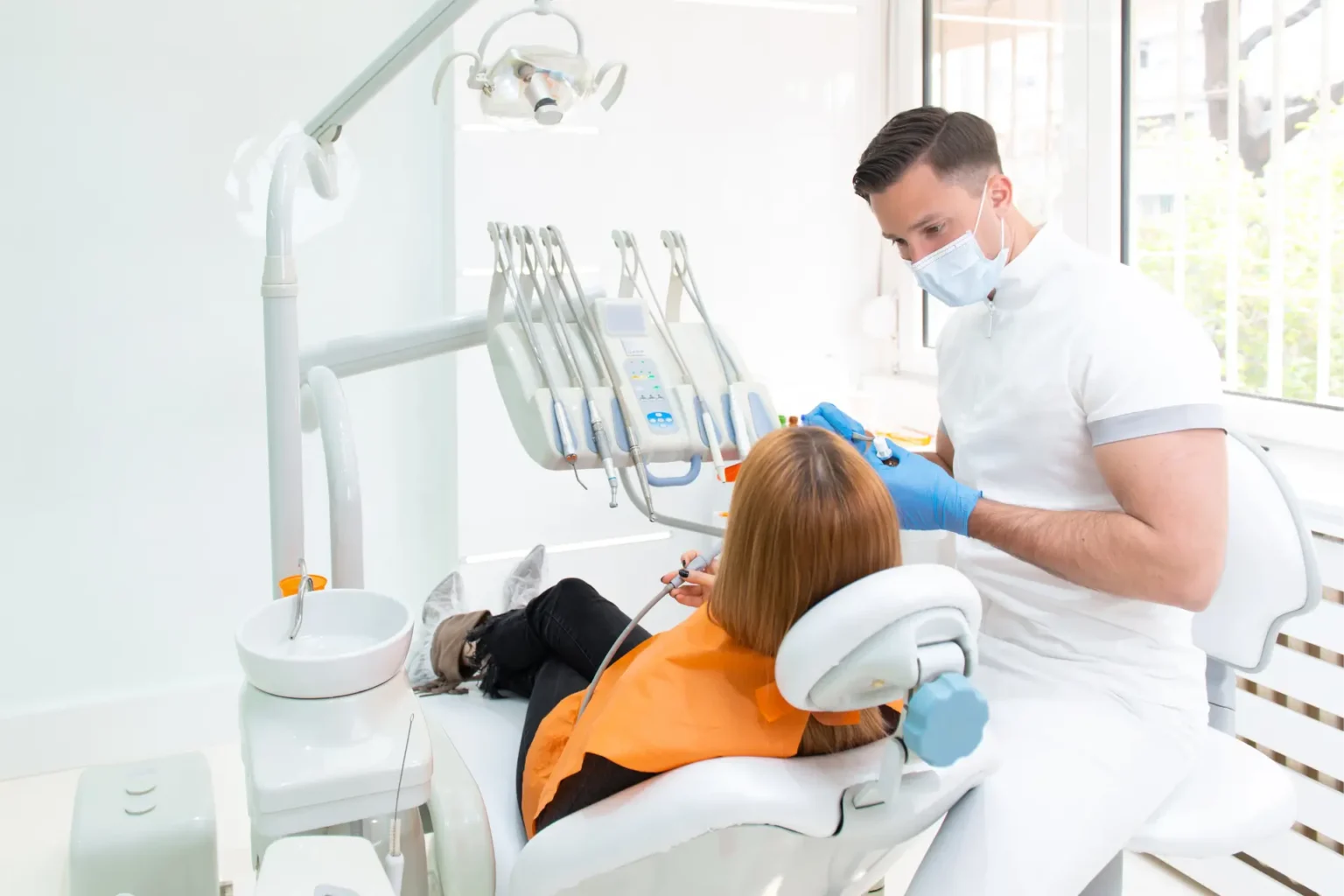
A broken tooth has a way of turning an ordinary day into a rushed, anxious one. It can happen while eating lunch, during a weekend game, or with a bite into something you have chewed a hundred times without trouble. One sharp crack, and suddenly you are dealing with pain, sensitivity, bleeding, or the unsettling feeling of a rough edge against your tongue.
The first few minutes matter more than most people realize. Quick, calm action can lower pain, protect the tooth from further damage, and improve the odds that an Emergency Dentist can save more of the natural structure. I have seen two people with almost identical fractures end up with very different outcomes, simply because one rinsed, protected the area, and got prompt care, while the other waited, kept chewing on it, and assumed it could wait until next week.
Not every broken tooth is equally urgent, but every broken tooth deserves attention. A tiny chipped corner vitalitydentaldfw.com Emergency Dentist may be mostly a comfort issue. A deep crack, a split with nerve pain, or a tooth broken near the gumline can become a much bigger problem in hours, not days. Knowing what to do right away, and what not to do, can spare you a more painful and expensive repair.
What counts as a broken tooth
People use the phrase "broken tooth" to describe several different problems. Sometimes it is a visible chip off the edge of a front tooth. Sometimes it is a molar with a cracked cusp after biting down on a popcorn kernel or an olive pit. In more serious cases, the fracture runs vertically through the tooth, or the break exposes the inner dentin or pulp.
The symptoms often give clues about severity. A superficial chip may feel rough but cause little pain. A deeper fracture can trigger sharp sensitivity to cold air, water, or sweets. If the pulp is involved, pain may become throbbing, persistent, and hard to ignore. Bleeding around the gum, facial swelling, or pain when you bite down can signal a more urgent situation.
One detail that often surprises people is that a tooth can be cracked even when the break is not obvious. If you feel a sudden pain when releasing a bite, or if one side of a tooth hurts unpredictably during chewing, a crack may be present under the surface. That is still an Emergency Dentist issue, especially if symptoms are worsening.
First priorities in the first ten minutes
The goal at home is not to fix the tooth. It is to protect it until a dentist can examine it properly. That means keeping the area clean, controlling any bleeding, reducing swelling, and preventing additional damage.
If you can, rinse your mouth gently with lukewarm water. This helps clear away debris and makes it easier to see what happened. If there is bleeding, apply light pressure with clean gauze or a damp piece of clean cloth. Hold it steadily for several minutes instead of checking constantly. Intermittent peeking tends to restart bleeding.
If the broken piece is easy to find, pick it up carefully and rinse it lightly. In some cases, especially with front teeth, the dentist may be able to bond a fragment back into place if it has been handled well and the break is suitable. Store it in a clean container. If you have milk or saline, that is often gentler than letting it dry out on a tissue. If not, a clean container is still better than losing it.
Cold can help. A cool compress against the cheek may reduce swelling and dull pain. Ten to fifteen minutes on, then a break, usually works better than holding ice there continuously. Avoid putting ice directly on the tooth or gum. That often increases discomfort.
Chewing should stop on that side immediately. Even a small additional force can turn a repairable fracture into a more complex one. I have seen patients take "just one careful bite" on the damaged tooth and convert a modest chip into a cusp that sheared off near the gumline.
When to call an Emergency Dentist right away
Some broken teeth can wait until the next business day if symptoms are mild and the fracture is small. Others need same day care, and some require urgent after hours attention. The difference usually comes down to pain, bleeding, depth of fracture, and whether the tooth is stable.
Call an Emergency Dentist as soon as possible if the tooth is painful, loose, visibly split, bleeding from around the tooth, or if part of the break looks yellow, dark, or red inside. Yellow often suggests exposed dentin. Red may indicate pulp exposure, which is generally more urgent and more uncomfortable. A tooth that broke after trauma to the face also deserves prompt evaluation because there may be root, bone, or soft tissue injuries you cannot see at home.
Swelling raises the stakes. It does not always mean infection, especially right after trauma, but it can. If swelling is increasing, if you have fever, or if swallowing becomes difficult, do not wait casually for a routine opening. That needs urgent guidance.
Children need special consideration. A broken baby tooth and a broken adult tooth are handled differently, and timing matters. If a child fractures a permanent tooth, especially a front tooth, quick action can preserve appearance and function in a way that becomes much harder later.
What you can safely do before the appointment
A few basic measures are usually helpful, and they carry low risk when done sensibly:
- Rinse gently with lukewarm water to remove debris and keep the area clean.
- Use a cold compress on the outside of the cheek in short intervals to limit swelling.
- Take an over the counter pain reliever if you normally tolerate it and your physician has not told you to avoid it.
- Cover a sharp edge with dental wax or sugar free chewing gum if it is cutting your tongue or cheek.
- Eat soft foods and chew on the opposite side until you are seen.
Each of these steps has limits. Pain medication can reduce discomfort, but it does not tell you whether the tooth is stable. Wax can protect soft tissue, but it does not seal a deep fracture. Soft foods help, but even a soft bite on the wrong angle can worsen a crack. These are holding measures, not treatment.
People sometimes ask whether they should use clove oil, temporary filling material, or home repair kits. My view is cautious. Temporary dental products can occasionally help if a filling fell out and the surface is simple, but they are far less reliable for fractures than advertisements suggest. If material gets packed into a broken area incorrectly, it can make examination harder and create a false sense of security. If you use anything at all, keep it minimal and only to protect a sharp edge.
What not to do, because it often makes things worse
The biggest mistakes happen when people try to test the tooth. They bite on it to "see if it still works." They tap it with a fingernail. They look in the mirror and pry at the loose fragment to understand the break. Those instincts are natural, but they can deepen the damage.
Avoid very hot or very cold foods and drinks. A newly exposed dentin surface can react sharply, and a tooth with a crack may flare dramatically with temperature swings. Sticky foods are also a bad idea. Caramel, chewy bread, and gummy candy can tug at a weakened cusp or pull on temporary material.
Do not place aspirin directly against the gum or tooth. People still do this, hoping for local pain relief, but aspirin can irritate or burn soft tissue. If you take pain medication, use it as directed by mouth.
If there has been facial trauma, do not focus only on the tooth. Lip lacerations, jaw pain, changes in your bite, or difficulty opening and closing should all be mentioned when you call. Teeth can distract from a broader injury pattern.
Why broken teeth feel so different from one another
A minor chip and a deep fracture can happen to the same type of tooth, but the experience can be completely different because the anatomy is different. The outer enamel has no nerve supply. Once a break reaches the dentin, the tooth often becomes sensitive because the dentin transmits stimuli inward. If the pulp is exposed or inflamed, pain can become severe and spontaneous.
The location of the break also matters. Emergency Dentist Front teeth often break from direct trauma. Molars more often fracture under pressure, especially if they already have large fillings, old root canal treatment, or significant wear from clenching and grinding. A heavily restored molar may hold together for years, then fail abruptly on a bite that would not have harmed a healthy tooth.
This is why two common questions, "It does not hurt much, can I wait?" And "It hurts badly, does that mean I will lose it?" Do not always have straightforward answers. Some deep cracks are oddly painless at first. Some very painful breaks are still very repairable. Symptoms matter, but the pattern of fracture matters just as much.
What an Emergency Dentist is likely to do
At the appointment, the dentist is not just looking at the missing piece. The real job is to determine how deep the fracture goes, whether the root is involved, whether the pulp is threatened, and whether the tooth can be predictably restored.
In many cases, the first visit is focused on diagnosis and stabilization. The dentist may smooth a sharp edge, place a temporary protective covering, bond a fractured area, adjust the bite so the tooth takes less force, or take radiographs to look for root or bone involvement. If the pulp is exposed or close to exposure, treatment might move quickly toward more definitive care.
Typical next steps often fall into a few categories:
- Simple bonding for small chips or limited enamel and dentin fractures.
- A crown when a larger portion of the tooth has fractured but the root remains sound.
- Root canal treatment if the pulp is damaged or exposed, often followed by a crown.
- Extraction if the crack extends too far below the gumline or through the root to restore reliably.
- Referral to a specialist when the fracture pattern or trauma is more complex.
Patients are often relieved to hear that not every broken tooth needs a root canal. On the other hand, I have also seen people disappointed when a tooth that "only chipped" actually needed a crown because the structural loss was enough to make a filling unreliable. Dentistry is full of those judgment calls. The best treatment is not always the smallest treatment, it is the one most likely to hold up under years of chewing.
If the break happens at night, on a weekend, or while traveling
These are the moments when people tend to either panic or delay. Neither helps. What you need is a practical threshold for action.
If pain is controllable, bleeding has stopped, and the break seems small, you may be able to protect the area and book the earliest available appointment. But if the tooth is visibly split, pain is escalating, the area is swelling, or the break followed a blow to the mouth, it is reasonable to seek an Emergency Dentist even outside regular hours.
Travel adds another wrinkle. Hotel ice, bottled water, and a pharmacy can take you surprisingly far for short term care. A small dental first aid kit with wax, gauze, and a clean container is useful if you travel often, especially with children or for sports. What matters most, though, is not the kit, it is recognizing when temporary comfort measures are not enough.
I remember a traveler who cracked a lower molar on a seed while out of town and assumed he could "nurse it" for four days. By the time he returned home, half the tooth had fractured away and the pulp had become inflamed enough that sleeping was nearly impossible. The initial crack might still have needed a crown, but the delay made emergency root canal treatment much more likely.
Pain control without creating new problems
Pain from a broken tooth can be sharp, dull, throbbing, or triggered only when biting. People often chase the pain in ways that backfire. They sip very cold water because the mouth feels inflamed, then trigger more sensitivity. They avoid all brushing near the area, which lets plaque build up and irritate the gum. Or they keep clenching because they are stressed, which loads the fracture even more.
Gentle hygiene still matters. If you can brush nearby without striking the broken edge, do so carefully. A clean mouth tends to be a more comfortable mouth. Warm saltwater rinses can feel soothing for irritated tissues, provided the water is not hot and the rinsing is gentle.
If your bite feels uneven after the fracture, that is worth mentioning when you call. A tooth that is suddenly "high" can take the first impact every time you close your mouth, which aggravates pain and may propagate the crack. Sometimes simply adjusting that contact promptly can make a major difference in comfort and prognosis.
Special cases that deserve extra caution
Teeth with existing large fillings break differently from untouched teeth. Old amalgam or composite restorations can leave cusps thinner and more vulnerable over time. If one of those cusps fractures, the remaining tooth may still be salvageable, but the risk of extension into the root is higher than many patients expect.
Root canal treated teeth are another category. These teeth are often more brittle, especially if they were not protected with a crown afterward. A break in a root canal treated tooth is not automatically hopeless, but if the fracture runs vertically into the root, options narrow quickly.
Pregnancy, blood thinners, diabetes, and immune compromise do not change the fact that a broken tooth needs care, but they do shape how that care is delivered. If you are calling an Emergency Dentist, mention these details early. They affect bleeding control, medication choices, infection risk, and timing.
Night guards also come up often. If you know you grind your teeth and you break one, bring your guard to the appointment if possible. It gives the dentist useful information about wear patterns and load. Many fractures are not just bad luck, they are the end result of repeated force over time.
How to reduce the odds of it happening again
Prevention usually sounds simple, but in practice it is about habits and maintenance. Many broken teeth are not truly random. They are the final event in a chain that includes untreated decay, large aging fillings, delayed crown placement, bruxism, or using teeth as tools.
A patient once told me his tooth "broke out of nowhere" while eating scrambled eggs. It felt random to him because eggs are soft. What had really happened was years of crack formation around an older filling. The eggs were just the final, very modest trigger.
If you have a tooth your dentist has been monitoring for a crown, or a cracked cusp that has been discussed more than once, that is worth taking seriously. People often wait because the tooth is not hurting. Unfortunately, many teeth are quiet right up until the day they fail.
Sports guards, night guards, routine exams, and dealing with small fractures early can all lower the chance of a true dental emergency. So can avoiding habits like chewing ice, opening packaging with teeth, and biting hard on unpopped kernels or bones. None of that is glamorous advice, but it works.
The question everyone asks, can the tooth be saved?
Often, yes. That is the encouraging part. Dentistry can do a great deal with modern bonding, crowns, and endodontic treatment. A tooth that looks alarming in the mirror may still be restored effectively, especially if you seek care quickly and protect it in the meantime.
The hard truth is that some fractures are not restorable, particularly when they extend deep below the gumline or split the root. That is why speed matters. Early evaluation gives the best chance of preserving options. Even when a tooth cannot be saved, prompt care can control pain, protect adjacent tissues, and help you move into a replacement plan with less disruption.
The broken tooth itself is only part of the story. The way you respond in the first hour often influences what the Emergency Dentist can do for you later. Rinse gently, control bleeding, preserve any fragment, avoid chewing on it, and get professional advice promptly. Those few practical steps can make the difference between a manageable repair and a much more complicated emergency.
Vitality Dental
1220 Coit Rd # 106, Plano, TX 75075, United States
+1 972-645-4100
FAQ About Emergency Dentist
What counts as a dental emergency?
A knocked-out tooth, significant mouth injury, severe tooth pain, or painful swelling warrants prompt evaluation. Call your dentist and describe your symptoms so the office can advise you on how urgently you need care.
What should I do if I knock out a permanent tooth?
Call a dentist immediately. Handle the tooth by the crown, avoid touching the root, and keep it moist. If you cannot put it back into the socket easily, transport it in milk or a tooth-preservation solution. Bring it with you to the appointment.
Should I go to the emergency room for a dental emergency?
Seek emergency medical care right away if you have trouble breathing or swallowing, uncontrolled bleeding, or a serious facial injury. For an isolated tooth injury or toothache without those symptoms, call a dentist promptly for guidance.