How Emergency Dental Clinics Handle Urgent Cases
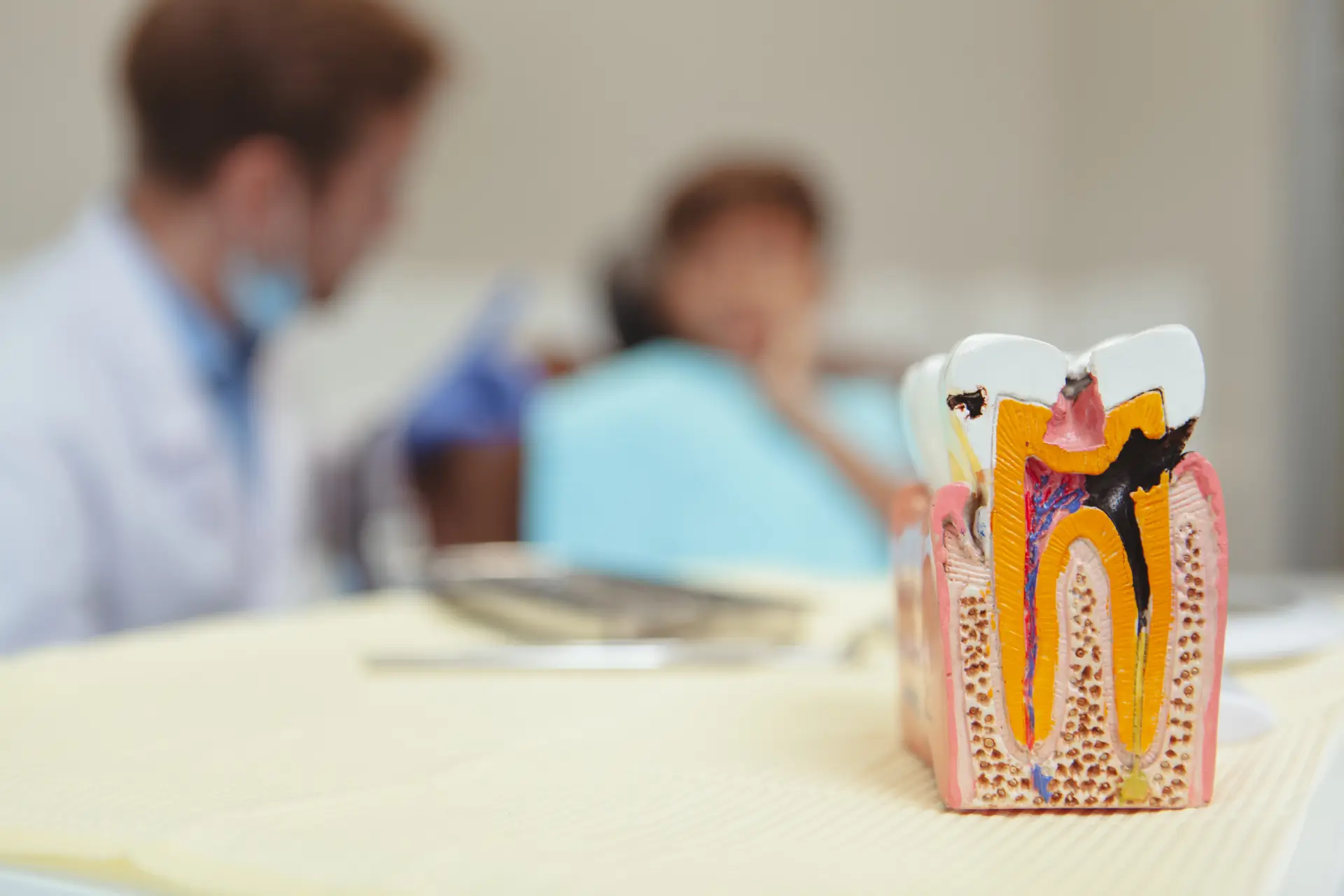
A true dental emergency rarely arrives at a convenient time. It starts with a crack while eating dinner, a swelling that grows overnight, a child who falls at school and chips a front tooth, or a dull ache that turns sharp and relentless at 2 a.m. By the time patients call an emergency dental clinic, they are usually worried about more than pain. They want to know whether the tooth can be saved, whether the swelling is dangerous, whether they need antibiotics, and how quickly someone can see them.
Emergency dental clinics are built around those questions. Their job is not simply to offer a faster appointment. They are designed to sort urgent problems by severity, relieve pain safely, prevent complications, and decide what can be treated immediately versus what needs a staged plan. The public often imagines emergency dentistry as a narrow service, mostly extractions and temporary fillings. In practice, it is much more nuanced. A well-run clinic functions like a triage center, treatment suite, and referral hub all at once.
What counts as a dental emergency
Not every dental problem is an emergency, but many become urgent faster than people expect. A lost filling is inconvenient until the tooth begins to throb. A chipped tooth may seem minor until the fracture exposes dentin or pulp. Gum swelling can start as localized inflammation and progress to an abscess that affects swallowing or sleep.
Clinics generally treat a case as urgent when there is significant pain, visible infection, active bleeding, trauma, or a meaningful risk of losing a tooth. Timing matters. A knocked-out permanent tooth has the best chance of survival when managed quickly, sometimes within the first hour. Facial swelling that spreads toward the eye, jaw, or throat raises the stakes because oral infections can extend beyond the tooth itself.
That said, urgency is not defined by drama alone. A patient may arrive calm and still have a serious infection. Another may be in severe distress from a dry socket, which is intensely painful but usually localized and manageable. Good emergency teams know how to look past the emotional temperature of the room and focus on clinical priorities.
The first few minutes matter most
When someone contacts an emergency dental clinic, the process often starts before they walk in. Reception staff are trained to ask focused questions, not because they are diagnosing over the phone, but because the answers shape the schedule and, sometimes, the advice given in the moment.
They will usually ask when the problem started, whether there is swelling, fever, trauma, bleeding, or trouble opening the mouth, and whether the pain is constant, triggered, or keeping the patient awake. If a tooth has been knocked out, they may tell the patient to hold it by the crown rather than the root, gently rinse it if dirty, and bring it in milk or saline. If there is heavy bleeding after an extraction, they may coach the patient to bite on gauze with firm pressure. If there are signs that go beyond dentistry, such as difficulty breathing, chest pain, or rapidly spreading infection, they will tell the patient to seek hospital care immediately.
This triage step is one of the least visible but most important parts of emergency practice. It prevents dangerous delays and helps reserve chair time for the patients who truly cannot wait.
How clinics prioritize urgent cases
Most emergency schedules are not strictly first come, first served. They are prioritized by risk. A patient with mild sensitivity from a cracked filling may need same-day care, but a patient with facial swelling, trauma, or uncontrolled bleeding moves ahead. That can be frustrating in a waiting room, especially when everyone feels their pain is severe. Still, triage is what keeps emergencies from becoming crises.
Clinics typically sort patients into rough categories like these:
- Immediate risk, such as uncontrolled bleeding, avulsed permanent teeth, significant facial swelling, or trauma affecting the airway
- High urgency, such as severe toothache with suspected infection, broken teeth exposing the nerve, or post-extraction complications
- Same-day but stable, such as lost crowns, fractured fillings, or localized gum pain without swelling
- Prompt follow-up, when symptoms are real but not time-sensitive enough to displace active emergencies
The wording may vary from clinic to clinic, but the logic is consistent. Treat pain, stop active harm, and protect structures that can still be saved.
The emergency exam is focused, not rushed
Patients are sometimes surprised by how targeted an emergency visit feels. It is not a full cosmetic consultation and it is not usually a comprehensive long-term treatment planning session. The dentist has a narrower goal at first: identify the source of the urgent problem, check for immediate threats, and stabilize the situation.
That exam often includes a visual inspection, percussion testing, periodontal probing when indicated, mobility testing for injured teeth, and dental X-rays. In trauma cases, clinicians may check the bite, jaw movement, and soft tissue injuries inside the lips and cheeks. If swelling is present, they evaluate whether it is localized around a tooth or spreading into fascial spaces. Those distinctions matter because they change the treatment path.
A patient who says, “My whole mouth hurts,” often has one specific source when examined carefully. Referred pain can muddy the picture. Lower molars can send pain toward the ear. Upper teeth can mimic sinus pressure. A cracked cusp may not be obvious until the patient bites on a cotton roll or tooth sleuth. Experienced dentists know that emergency diagnosis is often detective work under time pressure.
Pain control comes before perfect dentistry
The public sometimes assumes emergency clinics aim to finish everything in one visit. In reality, the first priority is often pain relief and stabilization. If a patient presents with acute pulpitis, for example, the most meaningful intervention may be opening the tooth and beginning root canal treatment, even if the final restoration must wait. If a crown has broken off and the tooth is sensitive but restorable, recementing a temporary or placing a sedative dressing may be the right first move. If a vertical root fracture is suspected in a non-restorable tooth, extraction may be the fastest and safest way to end severe pain.
This is one of the defining features of emergency care. The “best” treatment in an ideal long appointment is not always the right treatment in a painful, urgent setting. Dentists weigh how long the patient can tolerate being in the chair, how inflamed the area is, whether numbness will be difficult to achieve, whether infection limits immediate options, and whether specialist follow-up is needed.
A practical example illustrates the point. A patient with a badly broken lower molar on a Friday evening may want a permanent fix on the spot. If the area is acutely infected, numbness is challenging, and the tooth likely needs either complex endodontics or extraction, the dentist may choose between palliative care, opening the tooth for drainage, prescribing medication when indicated, or removing the tooth if conditions allow. That is not indecision. It is judgment shaped by anatomy, time, and risk.
Infection management is more selective than many expect
One common misunderstanding is that antibiotics are the main treatment for a dental emergency. They are not. In many urgent dental problems, the source of infection is inside the tooth or around its root, which means the definitive treatment is procedural: draining an abscess, removing infected pulp tissue, performing root canal therapy, or extracting the tooth. Antibiotics help when there is spreading infection, fever, diffuse swelling, or systemic involvement. They do not reliably resolve toothache from irreversible pulpitis, and they should not be handed out as a substitute for treatment.
Emergency clinics that practice well are careful about this. Overprescribing antibiotics may temporarily blunt symptoms without solving the cause, and it carries real downsides, from gastrointestinal side effects to resistance concerns. On the other hand, under-treating a spreading infection can be dangerous. The balance requires good assessment, not a reflex.
When facial swelling is present, dentists look closely at whether the patient can swallow normally, whether the floor of the mouth is elevated, whether there is trismus, and whether swelling is moving beyond the immediate gumline. Those are the cases where an office-based emergency may tip into a hospital-level problem.
Trauma cases follow their own rules
Dental trauma is one area where emergency clinics often shift gears quickly. A sports injury, fall, or accident can involve enamel fractures, tooth displacement, root fractures, jaw injury, or soft tissue lacerations. Timing and handling make a real difference.
A knocked-out permanent tooth is among the clearest examples. If the tooth is intact and managed properly, reimplantation may be possible. If it dries out or is handled roughly by the root, the prognosis drops. A tooth that has been pushed sideways or inward may need repositioning and splinting. A fracture that looks small may still expose the pulp in a younger patient.
Trauma care often involves a sequence rather than a single fix. The emergency clinic may reposition and stabilize a tooth, take radiographs, address pain, and arrange follow-up to monitor vitality and root health. Some complications appear days or weeks later. A tooth that survives the first visit may still need root canal treatment if the pulp loses vitality. This is why experienced clinics do not treat trauma as a one-and-done event. They document carefully, explain uncertainty honestly, and set expectations for review.
Children require a different approach
Pediatric emergencies are rarely just smaller versions of adult emergencies. A child with a dental injury may be scared, crying, and unable to explain what happened clearly. The clinical question also changes depending on whether the tooth is primary or permanent. A knocked-out baby tooth is generally not replanted because doing so can harm the developing permanent tooth. A fractured permanent incisor in a ten-year-old, however, may be highly time-sensitive and worth aggressive efforts to preserve.
Behavior management becomes part of the treatment itself. The best emergency teams know how to lower the emotional temperature of the room, speak to the child directly, and avoid promising that nothing will hurt. Parents are often as distressed as the child, especially after visible facial trauma. Calm communication matters.
Sedation may sometimes be considered, but many urgent pediatric cases are handled with local anesthesia, gentle pacing, and efficient technique. The practical goal is to do what is necessary without turning the visit into an ordeal that shapes the child’s view of dentistry for years.
What actually happens during common urgent treatments
Patients often feel more in control when they know what an emergency clinic is likely to do. While treatment depends on diagnosis, a few patterns appear again and again:
- For severe toothache from inflamed pulp, the dentist may remove the irritated tissue inside the tooth, place medication, and either continue or stage root canal treatment.
- For an abscess, they may establish drainage through the tooth or gum, reduce the source of pressure, and use antibiotics only when the infection shows signs of spreading.
- For a broken tooth, they may smooth sharp edges, place a temporary or definitive restoration, protect the nerve, or remove the tooth if it cannot be saved.
- For a lost crown or filling, they may recement, replace, or seal the area to reduce sensitivity and prevent further fracture.
- For post-extraction pain such as dry socket, they may clean the site gently, place a medicated dressing, and review aftercare.
That list looks simple on paper, but the real work lies in adaptation. The same diagnosis can look very different from one patient to another. A dry socket in a healthy adult is not the same as post-operative pain in a smoker with difficult healing. A broken premolar in a patient who clenches at night raises different concerns than the same break caused by a one-time accident.
The limits of emergency dentistry
Emergency clinics can do a great deal, but they cannot override biology or make every tooth savable. One of the hardest parts of urgent care is explaining when a tooth is too compromised by decay, fracture, bone loss, or recurrent infection to justify heroic treatment. Patients sometimes arrive hoping for a quick patch because they have a wedding, travel, or a major work event coming up. Dentists understand that pressure, but temporary fixes have limits.
A common example is the tooth fractured below the gumline. It may be technically possible to stabilize it briefly, but if the remaining structure will not support a restoration, the longer conversation has to happen. Likewise, a root canal on a tooth with severe periodontal breakdown may remove pain without solving mobility or long-term prognosis. Good emergency care does not oversell what cannot hold.
This is also where referral relationships matter. Some urgent cases are best handled by oral surgeons, endodontists, or hospital teams. Complex wisdom tooth infections, traumatic injuries involving the jaw, and difficult retreatment cases often need equipment or specialist support beyond what a general emergency clinic can provide on short notice. Knowing when to refer is part of competent care, not a failure of care.
Why follow-up is where many cases succeed or fail
Relief from pain can create a false sense that the problem is finished. Emergency clinics spend a surprising amount of time trying to prevent that misunderstanding. Temporary care is common in urgent dentistry because the immediate goal is to stop the crisis. The permanent solution may require a crown after root canal treatment, a replacement plan after extraction, a periodontal evaluation, or a Dental Emergency review of why the problem developed in the first place.
Patients who skip follow-up are the ones most likely to cycle back into emergency care. A tooth opened to relieve pressure but left unrestored can fracture. A temporary recemented crown can loosen again. An infection that settles with treatment still needs definitive closure of the source. Emergency dentists see this pattern often enough that many clinics build follow-up instructions into every discharge conversation.
The most effective advice is specific. “See your regular dentist soon” is too vague. “Schedule the crown within two to four weeks,” or “Return in seven days so we can reassess the swelling and complete treatment,” gives the patient something concrete to act on.
Communication is part of the treatment
People in pain do not absorb information the way they do at a routine checkup. They are tired, anxious, and often embarrassed that they waited. Some worry about cost before they mention symptoms. Others fear being judged for the condition of their teeth. Emergency clinics that work well understand this and communicate accordingly.
They explain what they know, what they suspect, and what still needs confirmation. They tell patients whether the aim today is temporary relief, definitive treatment, or damage control until a specialist can step in. They also talk plainly about warning signs. If swelling worsens, fever develops, or numbness spreads, the plan may need to change quickly.
I have seen patients calm down not because their pain vanished instantly, but because they finally understood the road ahead. A clear explanation can lower panic almost as effectively as a local anesthetic lowers sensation. The opposite is also true. When expectations are vague, even technically good treatment can feel incomplete.
Cost, time, and decision-making under pressure
One uncomfortable reality of emergency dental care is that decisions are made under stress, often with financial constraints in the background. The ideal treatment may not be the one a patient can proceed with that day. This does not excuse poor care, but it does shape choices.
A patient with a painful molar may face a decision between extraction and root canal treatment with a crown, where the long-term value of saving the tooth is weighed against immediate affordability. Some clinics are better than others at presenting those options neutrally. The best ones avoid pressure. They explain prognosis, time involved, likely future costs, and what happens if treatment is delayed.
This is another area where professionalism shows. Emergency care should not exploit urgency. Patients are vulnerable when they are in pain. They need clean information, transparent fees, and enough context to consent meaningfully.
What patients can do before they arrive
Emergency clinics handle urgent cases more effectively when patients take a few basic steps before arrival. Keep the area as clean as comfort allows, avoid placing aspirin directly on the gum, and do not apply heat to a swollen face unless a clinician has advised it. Bring a list of medications and allergies. If trauma is involved, note when it happened and how. If a tooth fragment or crown came out, bring it. Those small details can change what is possible.
For anyone dealing with a suspected dental emergency, the most useful mindset is simple: seek evaluation early. Dental problems rarely improve by being ignored, and emergencies tend to become more complex, more painful, and more expensive with time. A clinic equipped for urgent care is not just there to fill schedule gaps. It is there to sort urgency from danger, stabilize what can be stabilized, and make careful decisions when minutes, not weeks, shape the outcome.
That is how emergency dental clinics handle urgent cases in the real world, not with a single formula, but with triage, judgment, technical skill, and a clear understanding that pain is only one part of the problem. The real task is to protect health, preserve options, and move the patient from crisis toward a workable plan.
Vitality Dental
Address: 1220 Coit Rd #106, Plano, TX 75075
Phone number: +19726454100
FAQ About Dental Emergency
What can the ER do for a tooth?
An emergency room (ER) can manage pain and treat severe infections with medication, but it cannot fix or pull a tooth.
What is considered a dental emergency?
A dental emergency is any oral health problem that involves severe pain, uncontrollable bleeding, or an infection that threatens your health or requires immediate care to save a tooth.
Is there a 24-hour dental service in Plano, TX?
There is no physical dental clinic in Plano, Texas, that stays open with walk-in staff 24 hours a day, but several offices offer 24/7 phone support, late-night hours, or same-day emergency care.